
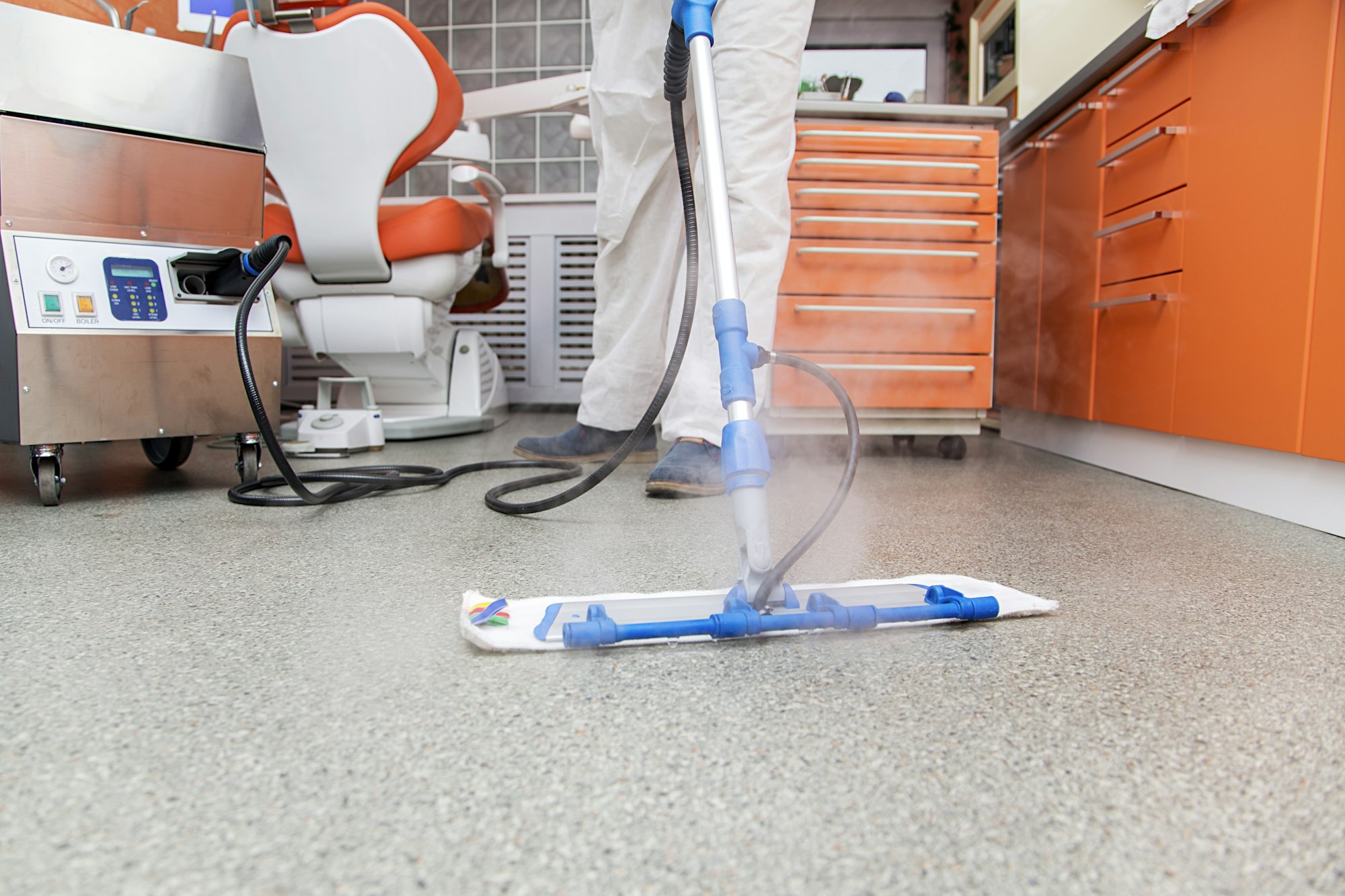
Keeping your business floor clean is not only vital for creating a professional appearance but also plays a significant role in the safety and health of your workplace. This guide will walk you through the essential steps to effectively clean your business floors, utilizing the right tools and techniques to achieve the best results.
Understanding Your Floor Type
Before diving into cleaning, it’s crucial to identify the type of flooring in your business as different materials require different cleaning methods. Whether your floor is vinyl, tile, concrete, or carpet, selecting the appropriate cleaning method will enhance its longevity and appearance.
Step 1: Gather Your Materials
Ensure you have the following items on hand:
- Broom and dustpan or a vacuum cleaner for initial dirt removal.
- Mop and bucket or an automatic scrubber for deeper cleaning.
- Appropriate floor cleaner that matches your floor type—using the wrong type can damage the flooring.
- Protective gloves and signage to warn of wet floors.
Step 2: Remove Loose Dirt and Debris
Begin by sweeping or vacuuming to remove any loose dirt, dust, or debris. This step is critical for preventing scratches or damage during the wet cleaning process, especially for hard surfaces.
Step 3: Mopping or Scrubbing the Floor
For hard surfaces, use a mop and a bucket filled with a cleaning solution suited for your floor type. For larger areas, consider using an automatic scrubber that can clean and dry floors simultaneously. Ensure to regularly change the water and cleaning solution to avoid spreading dirt.
Step 4: Address Stains and Spillages Immediately
Quickly dealing with spills and stains can prevent them from setting in and becoming permanent. Use appropriate cleaning agents for specific stains like oil, ink, or coffee to maintain the floor’s aesthetic.
Step 5: Dry and Polish the Floor
After cleaning, it’s important to dry the floor thoroughly to prevent slips and falls. If your floor type benefits from polishing, use a suitable polish to give it a glossy, protective finish, enhancing its resistance to wear and tear.
Step 6: Regular Maintenance
Consistent maintenance is key to keeping your floors in top condition. Schedule regular deep cleans and inspect your floors for any repair needs. This proactive approach will save you time and money in the long run.
Conclusion:
Cleaning a business floor effectively requires understanding the floor type, using the right tools and solutions, and committing to regular maintenance. By following these steps, you can ensure that your business floors remain clean, safe, and attractive, thereby contributing to a positive impression and a healthier workplace environment. Remember, a clean floor reflects your business’s standards and attention to detail, so make floor cleaning a priority.


